A Halloween party is easier to host together when you agree on its size, mood, and stopping time before choosing decorations. Give each host clear ownership of a few tasks, serve food you can prepare without missing the party, and leave guests an easy way to join in without wearing a costume. A small, well-paced gathering can feel more welcoming than an elaborate event that leaves both hosts exhausted.
Choose a party format you can actually host
Start with the space, seating, and time you have. A sit-down mystery supper needs enough comfortable places for everyone. A drop-in gathering needs a simple food station and room to move. A movie party needs good sightlines and a quieter room. Let the format determine the guest list rather than inviting first and solving the logistics later.
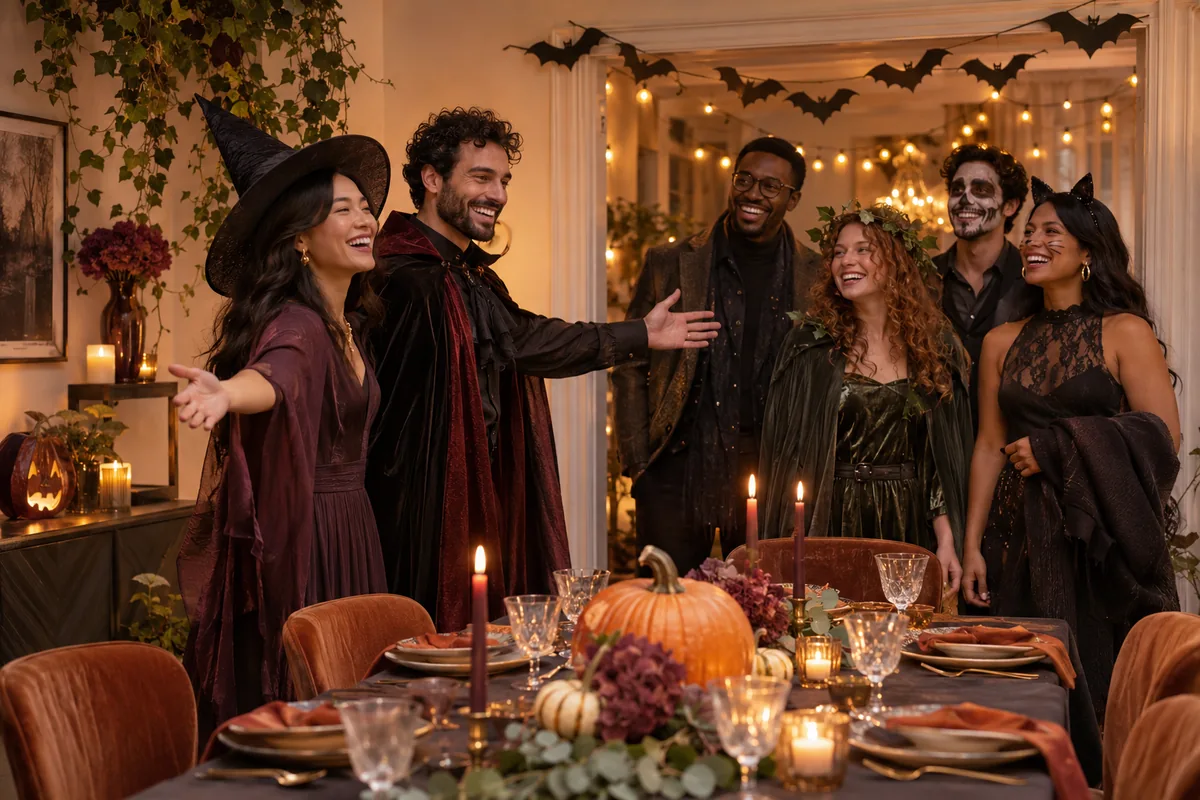
Choose one main activity and leave the rest optional. People should be able to talk, eat, or watch without feeling they are falling behind a schedule. A theme such as “cozy haunted cottage” gives you direction while allowing guests to interpret it in different ways.
| Format | Best focus | Keep simple |
|---|---|---|
| Autumn supper | Conversation and one shared game | Use a familiar main dish |
| Costume open house | Flexible arrivals and casual photos | Serve small, easy portions |
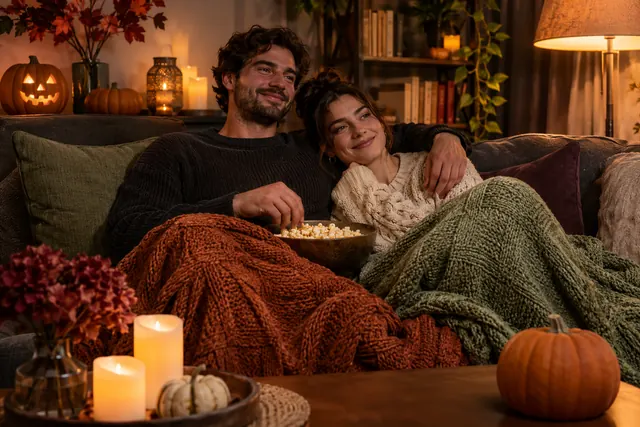
| Spooky cinema | A film chosen before guests arrive | Offer a separate conversation corner |
Divide ownership instead of sharing every task
“We will both handle everything” sounds cooperative but can leave important details unclaimed. Write down the work and assign one owner to each part. One host might manage invitations and drinks while the other handles food and the room setup. Agree where you need each other's help and where the owner can decide independently.
Include the less visible jobs: checking supplies, answering arrival questions, clearing dishes, and restoring the room afterward. Set a final planning check before party day. If a task no longer seems worth the effort, remove it together instead of silently hoping the other person will finish it.
A useful host handoff
Before guests arrive, tell each other what is ready and what still needs attention. Identify the food that needs monitoring, any guest needs you have been told about, and where spare supplies live. Keep the first half hour light on kitchen work so someone can greet people without feeling pulled in three directions.
Write invitations that answer practical questions
Give guests the date, start and finish times, location, and the kind of evening to expect. State whether food is a full meal or snacks. Explain the costume approach in ordinary language: “Costumes welcome, everyday clothes equally welcome” is more useful than an unexplained theme title.
Ask guests to tell you about dietary or access needs privately. Include any relevant arrival details, such as stairs, a buzzer, or a parking limitation you know about. If you plan to show an intense film or use startling effects, say so in advance and offer a calmer way to participate.
Decorate three places, then stop
Focus on the entrance, the food table, and one seating or photo corner. Repeating a small palette across these places can make the room feel coherent without filling every surface. Paper silhouettes, fabric you already own, and LED candles can provide atmosphere while keeping setup manageable.
Leave walking routes, exits, and seating clear. Keep cords out of traffic and decorations away from heat sources. Avoid surprise effects at entrances where guests need to navigate a step or carry belongings. A welcoming party should make the room easier to use, not harder.
For a photo corner, choose a plain wall with gentle light and enough room for two people. Ask before posting guests' pictures. You can coordinate your own outfits using our creative couple costume guide, but leave time to get dressed without abandoning the final setup.
Build food around the serving plan
Decide how guests will eat before choosing recipes. Food that needs a knife and fork requires somewhere to sit. Small handheld portions are easier for a standing gathering. Select a few dishes you know how to make and avoid introducing several unfamiliar cooking projects on the same afternoon.
Keep ingredient information available, especially for foods that are not easy to identify. Use separate utensils where needed and follow the storage and handling guidance for the actual food you serve. Put water and appealing nonalcoholic drinks where guests can find them without asking a host.
Think through replenishment too. Smaller serving dishes can be easier to manage than placing every portion out at once. Leave space for used dishes and spills. A labeled bin area and a visible stack of napkins help people take care of small messes independently.
Offer activities that let people opt in
Try a collaborative paper mural, a short drawing game, or a table of fictional “haunted house listings” guests can invent. These activities create conversation without requiring personal disclosures or a competitive performance. Keep instructions brief enough to explain aloud in a minute.
Skip a mandatory costume contest unless your guests specifically enjoy that format. An informal appreciation board lets people leave kind notes about details they noticed without ranking one another. If films are the focus, our spooky movie-night guide explains how to agree on tone and make the viewing area comfortable.
Protect a quieter corner
Leave one area with ordinary lighting, lower sound, and a place to sit. Guests may want a break from conversation, costumes, or the screen. Tell people where it is without turning their use of it into an announcement. Keep essential information verbal or written rather than relying only on flashing lights or loud cues.
Finish before cleanup becomes tomorrow's problem
Give the party a natural closing signal: a final warm drink, the end of a film, or a last round of a game. Thank guests without pressuring them to stay. Check transport plans where relevant and allow a calm departure rather than beginning a noisy teardown around people.
Afterward, do a short reset together: put away food appropriately, deal with spills, clear safe walking space, and gather dishes. Leave nonurgent decoration packing for another time if needed. Make the next day gentler with a simple idea from our Halloween dates for couples. Hosting together should leave room to enjoy being together once everyone has gone home.
A final decorating check
The NFPA’s Halloween safety guidance recommends battery-operated lights for pumpkins and keeping decorations away from heat sources. Leave exits clear when arranging your room.